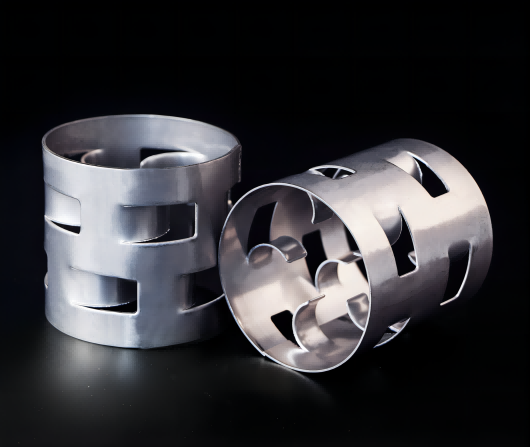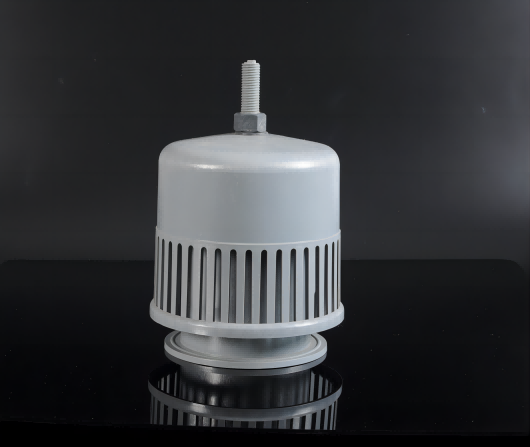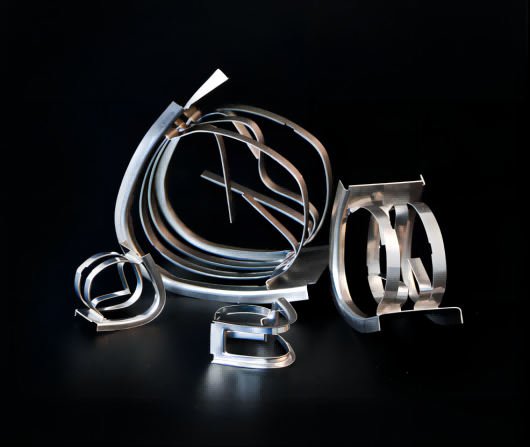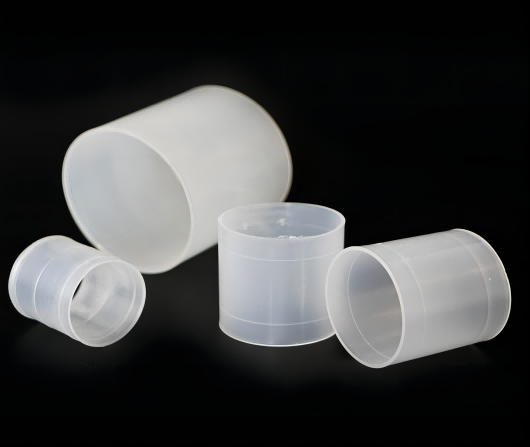

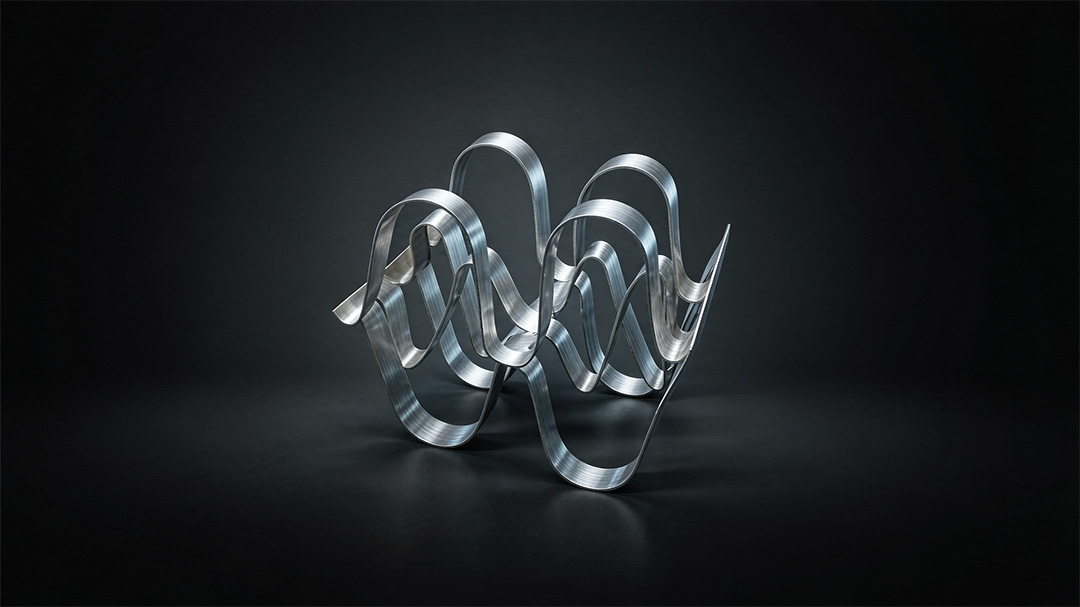
Figure 1: Metal super Raschig rings in SS316L — sinusoidal webs form multiple liquid films and maintain high open area.
Engineer's Brief: A metal super Raschig ring is a high-performance random packing built from a thin-walled cylinder with alternating sinusoidal webs instead of plain walls. The wave webs create several thin liquid films, promote interface renewal, and keep free volume at 96–98%. Compared with a plain metal Raschig ring it avoids nesting; compared with standard metal Pall rings it typically gives lower pressure drop at equal throughput and higher flooding capacity in retrofits. FXSINO supplies super raschig-style rings in carbon steel, SS304/304L and SS316L/316L.
A plain Raschig ring is a hollow tube with height equal to outside diameter. It is cheap and chemically simple, but wall flow and channeling are severe, and packing factor is high. A super Raschig ring replaces the straight wall with curved/sinusoidal strips and reconnects them at repeated contact points. The result:
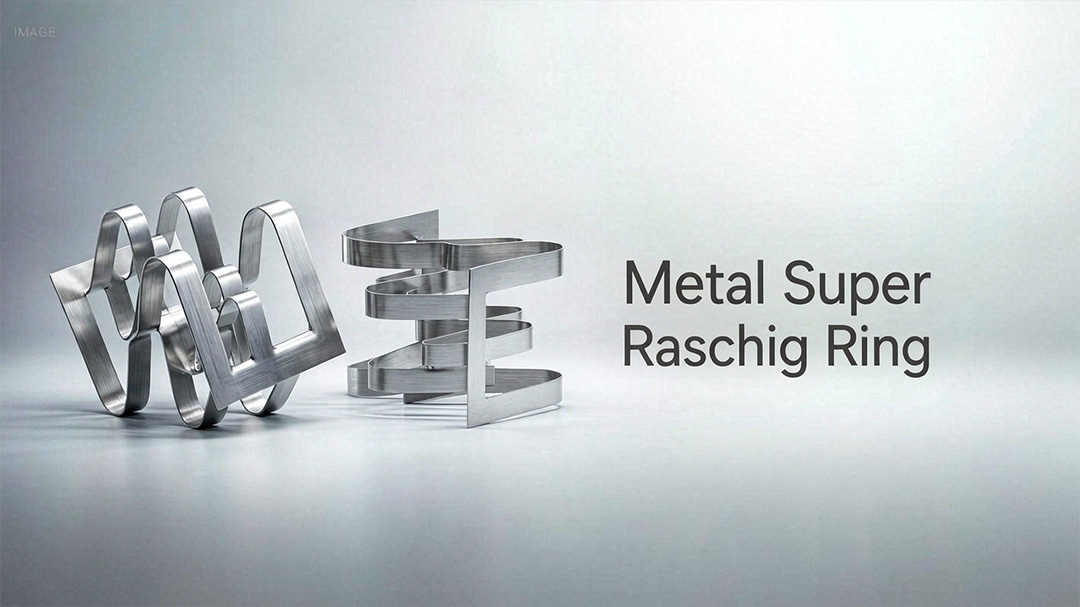
Figure 2: Web detail — sinusoidal strips and welded contact points create turbulent film surfaces while keeping the core open.
FXSINO quotes super raschig-style metal rings in common metric sizes. The table below mixes metric project sizes with reference values from metal super-ring bulletins; treat as selection reference, not certified hydraulic guarantee.[4,5,13](@ref)
| Metric size (mm) | Approx. SR no.* | Surface area (m²/m³) | Free volume (%) | Bulk density SS (kg/m³) | Pieces/m³ |
|---|---|---|---|---|---|
| 25 | 0.3 (close) | 180–220 | 95–96 | 210–340 | 45,000–180,000 |
| 38 | 0.5–0.7 | 130–180 | 96–97 | 185–275 | 16,000–45,500 |
| 50 | 0.7–1 | 100–150 | 97–98 | 165–220 | 9,500–32,000 |
| 76 | 2–3 | 70–100 | 98 | 150–165 | 4,300–9,500 |
*SR no. is an approximate cross-reference to published metal super-ring bulletins (0.3/0.5/0.7/1/2/3). Metric 25/38/50/76 is not strictly equivalent to any single SR number; confirm tooling with FXSINO. Bulk density varies with wall thickness, steel grade and waveform.[4,13](@ref)
Pressure drop of a random bed depends on gas capacity factor F (= u·ρv0.5), liquid load L (m³/m²·h), packing size, tower diameter and irrigated wetted area. For super raschig metal rings the practical trend is:
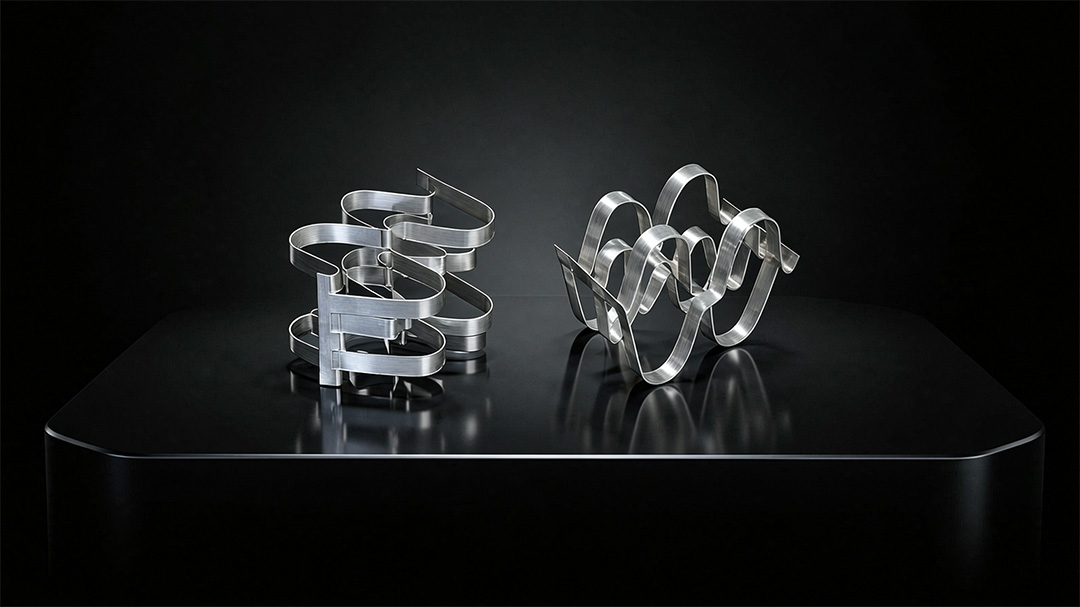
Figure 3: Reference ΔP vs gas capacity — super raschig slope stays below standard Pall as liquid load increases (illustrative, replace with FXSINO test curve).
| Item (50mm class) | Plain metal Raschig | Metal Pall ring | Metal super Raschig |
|---|---|---|---|
| Wall structure | Solid cylinder | Cylinder + side windows + inner tabs | Cylinder + sinusoidal webs/contact points |
| Free volume | ~65–70% | ~90–94% | 97–98% |
| Dry/wet ΔP | Highest | Low | Very low (lower than Pall in refs)[2,4](@ref) |
| Flooding capacity | Lowest | High | Higher than 50mm Pall (+25–33% in refs)[2](@ref) |
| Efficiency / HETP | Poor (channeling) | Good all-round | Good; up to ~14% better separation than 50mm Pall in ammonia/water refs[4](@ref) |
| Mechanical / dirty service | Robust, but poor hydraulics | Windows can deform under high dP/load | Web structure stable; open for solids-bearing liquid[8,5](@ref) |
| Use case | Legacy/ceramic acid only | General distillation/absorption | High-capacity retrofit, vacuum, low ΔP, dirty absorbent |
Pall comparison figures are from ammonia-air/water and cyclohexane/n-heptane references; do not apply generic "% reductions" to every fluid without system data.[2,15](@ref)
| Material | Key limit | Typical service |
|---|---|---|
| Carbon steel | Non-corrosive, dry/hydrocarbon; temp by code | Atmospheric distillation, hydrocarbon absorption |
| SS304/304L | Low chloride; general organics | Solvent recovery, mild aqueous absorption |
| SS316L | Chloride/weak acid better than 304 | Chlorinated scrubbing, pharma, acidic absorbent |
| SS410 / alloy | High temp/strength or special corrosion | High-pressure retrofits, sour/erosive service |
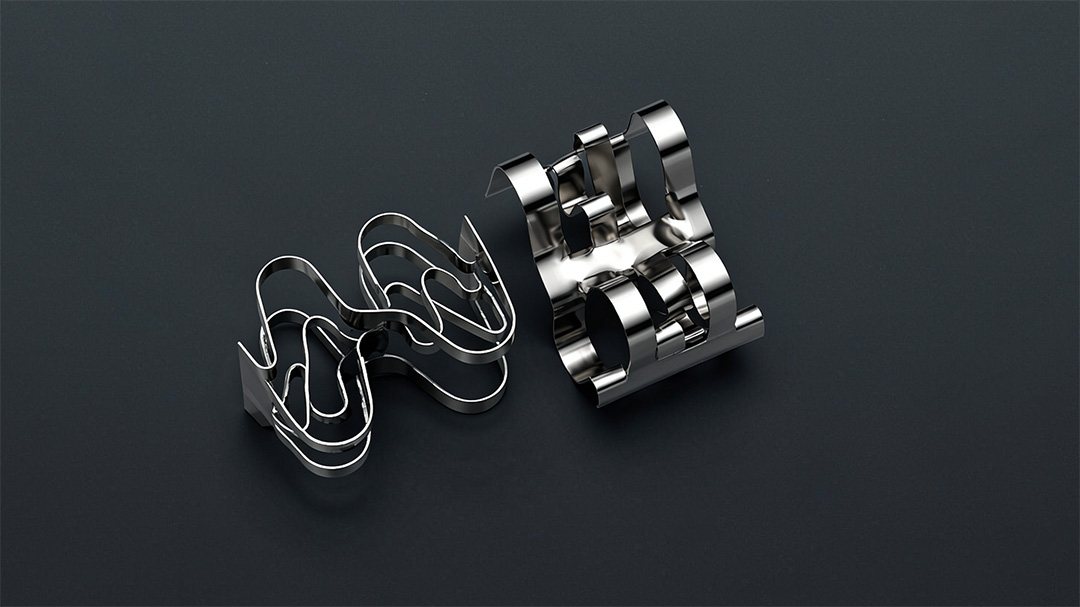
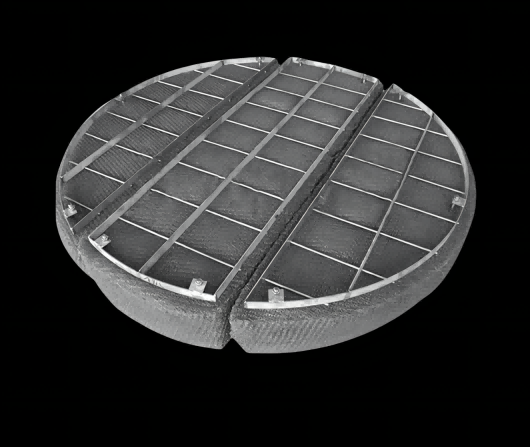
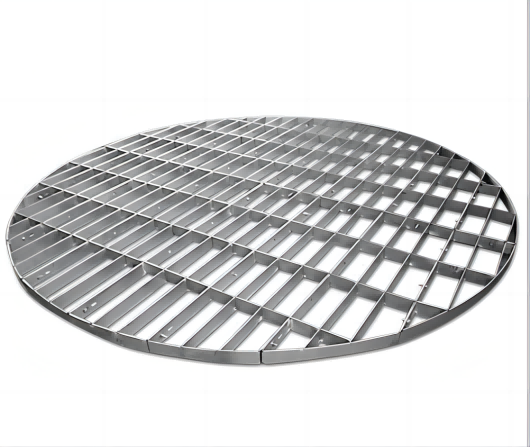
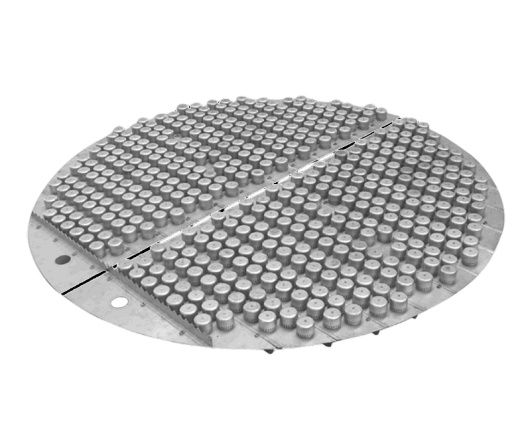
Figure 4: Super raschig charge with support grid and distributor — for low ΔP distillation or absorption retrofit.
Q: How much lower is pressure drop than a metal Pall ring?
A: Published 50mm-class tests report super raschig wet ΔP roughly 60% lower than Pall in one cyclohexane/n-heptane dataset and clearly lower than Pall under air/water at equal F; ammonia/water retrofits show smaller ΔP reductions at equal throughput (e.g., No.1 vs 1.5" Pall about −21 to −33%). Always re-run with your fluid properties.[2,15](@ref)
Q: Can I replace plain Raschig or Pall 1:1 by volume?
A: No. Super raschig has higher free volume and different HETP, so 1:1 volume usually over-designs or changes separation duty. Send existing bed height, throughput, pressure budget and HETP; FXSINO proposes size, bed height and internals as a package.
Q: Is super raschig better than structured packing for vacuum?
A: Structured packing gives the lowest ΔP/HETP in clean vacuum service; super raschig is preferable when you need random-packing flexibility, dirty feed, easy reload, or retrofit inside an existing support/distributor layout. For deepest vacuum and tight HETP, compare both with wire mesh structured packing.
FXSINO is a manufacturer of metal random packing & tower internals — super raschig rings, metal Pall rings, support grids, distributors and demisters. Custom sizes in carbon steel/SS304/316L, fabricated to drawing, shipped worldwide.
Send tower ID, service fluid, pressure, temperature, gas/liquid rates, target HETP or ΔP budget. We return size recommendation, bulk volume, support open area, distributor density and a same-day budget quote. FXSINO supplies the full package — support grids, bed limiters, redistributors and demisters.
Contact FXSINO: jackieqiu9202@gmail.com | +86 18507999558
 Адрес
: Intersection of Jinguang Avenue and Chongqing Middle Road, Anyuan Industrial Park, Anyuan District, Pingxiang City, Jiangxi
Адрес
: Intersection of Jinguang Avenue and Chongqing Middle Road, Anyuan Industrial Park, Anyuan District, Pingxiang City, Jiangxi Тел.
: +86-18507999558
Тел.
: +86-18507999558 Электронная почта
: sales@fxsino.com
Электронная почта
: sales@fxsino.com WhatsApp
:
+86-18507999558
WhatsApp
:
+86-18507999558 Поддерживается сеть IPv6
Карта сайта
| XML | блог
| политика конфиденциальности
Поддерживается сеть IPv6
Карта сайта
| XML | блог
| политика конфиденциальности